
In Australia, the commercial cleaning industry plays a vital role in maintaining hygiene and sanitation standards across various sectors, from offices and schools to healthcare facilities and hospitality venues. As businesses and organisations prioritise cleanliness like never before, the demand for innovative cleaning solutions continues to rise. Fortunately, technological advancements are driving significant improvements in commercial cleaning equipment, revolutionising the way cleaning professionals tackle their daily tasks.
The most recent technological advancements in commercial cleaning equipment within Australia
It includes a variety of inventive solutions designed to improve efficiency, effectiveness, and sustainability across different cleaning tasks.These advancements include:
- Smart Cleaning Solutions: Many cleaning equipment manufacturers are incorporating IoT (Internet of Things) technology into their products. This allows for remote monitoring, data collection, and performance optimization, leading to more efficient cleaning processes.
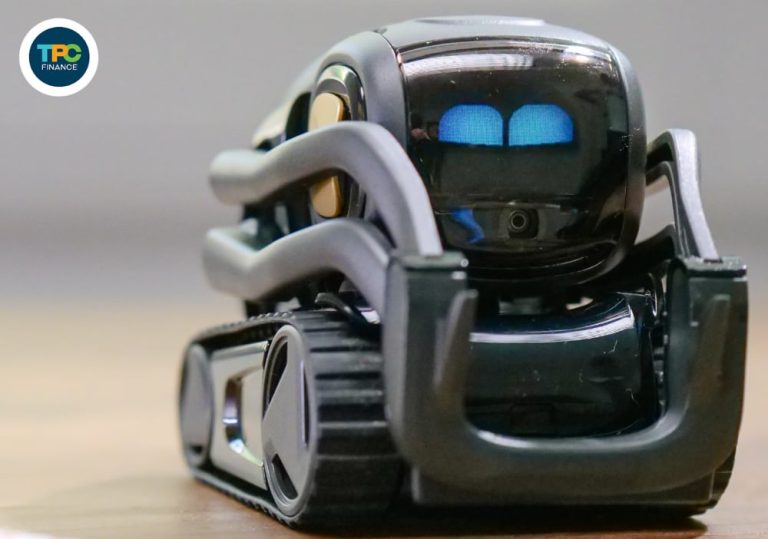
- Robotic Cleaners: Robotic cleaners are becoming increasingly popular in commercial settings. These autonomous machines can navigate and clean floors, windows, and other surfaces with minimal human intervention, saving time and labour costs.
- Battery-Powered Equipment: Battery-powered cleaning equipment, such as scrubbers and vacuums, offers increased mobility and flexibility compared to traditional corded models. They are also more environmentally friendly and cost-effective in the long run.
- Advanced Filtration Systems: Commercial cleaning equipment with advanced filtration systems helps improve indoor air quality by capturing dust, allergens, and other airborne particles more effectively. This is especially important in healthcare facilities, offices, and other high-traffic areas.
- Chemical-Free Cleaning Solutions: In response to growing concerns about chemical exposure and environmental sustainability, manufacturers are developing cleaning equipment that uses steam, ultraviolet light, or other non-toxic methods to sanitise and disinfect surfaces.
- Touchless Technology: Touchless cleaning equipment, such as automatic soap dispensers, hand dryers, and trash cans, reduces the spread of germs and bacteria by minimising contact with surfaces. This is particularly relevant in public restrooms and high-touch areas.
- Data Analytics and Predictive Maintenance: Some cleaning equipment now comes equipped with data analytics capabilities that monitor usage patterns and performance metrics. This data can be used to optimise cleaning schedules, predict maintenance needs, and reduce downtime.
- Ergonomic Design: Manufacturers are paying more attention to the ergonomics of cleaning equipment to improve user comfort and reduce the risk of injuries. Features such as adjustable handles, lightweight materials, and intuitive controls enhance usability and productivity.
- Green Cleaning Initiatives: With a growing emphasis on sustainability, many commercial cleaning equipment manufacturers are focusing on developing energy-efficient and eco-friendly products. This includes using recycled materials, reducing water consumption, and minimising carbon emissions.
- Mobile Apps and Connectivity: Some cleaning equipment now integrates with mobile apps or software platforms, allowing users to monitor and control operations remotely. This enables real-time tracking of cleaning tasks, scheduling updates, and performance reporting.
These technological innovations are transforming the commercial cleaning industry in Australia, offering improved efficiency, sustainability, and hygiene standards for businesses across various sectors.
How Technological Innovations in Commercial Cleaning Equipment in Australia help businesses and organisations keep their spaces clean and safe:
Technological innovations in commercial cleaning equipment in Australia are playing a crucial role in helping businesses and organisations maintain clean and safe spaces. These advancements enable more efficient and effective cleaning processes, ultimately contributing to higher hygiene and sanitation standards. Firstly, robotic cleaners have revolutionised the industry by offering autonomous cleaning solutions. These machines can navigate spaces independently, reaching areas that may be difficult for manual cleaning methods. By utilising robotic cleaners, businesses can ensure comprehensive cleaning coverage while minimising labour costs and freeing up staff for other tasks.
Additionally, smart cleaning technologies, such as IoT sensors and data analytics, provide real-time monitoring of cleaning performance and resource utilisation. This data-driven approach allows businesses to identify areas that require attention, optimise cleaning schedules, and allocate resources more efficiently. As a result, cleaning processes become more targeted and responsive to the specific needs of each space, enhancing overall cleanliness and safety.
Moreover, the adoption of eco-friendly cleaning solutions further contributes to creating healthier indoor environments. These environmentally sustainable products minimise the use of harsh chemicals and reduce environmental impact, while still effectively eliminating germs and contaminants. Businesses and organisations can demonstrate their commitment to sustainability while maintaining high standards of cleanliness.
Overall, technological innovations in commercial cleaning equipment empower businesses and organisations to uphold stringent hygiene standards and create safer environments for employees, customers, and visitors. By embracing these advancements, they can optimise cleaning operations, improve productivity, and enhance the overall well-being of their spaces.
In 2024 and beyond, expect significant advancements in commercial cleaning:
In 2024 and beyond, the commercial cleaning industry is expected to witness significant innovations that will shape its landscape. One prominent trend is the integration of advanced technology, such as robotics and artificial intelligence (AI), into cleaning processes. Robotic cleaners equipped with AI capabilities can autonomously navigate and clean various surfaces, optimising efficiency and reducing labour costs.
Additionally, there is a growing emphasis on environmentally friendly cleaning solutions, driven by increased awareness of sustainability. This includes the development of eco-friendly cleaning products and practices that minimise environmental impact while maintaining high cleaning standards. Furthermore, the adoption of data-driven approaches, such as predictive analytics and IoT (Internet of Things) sensors, enables real-time monitoring of cleaning performance and resource utilisation, allowing for proactive adjustments and optimization.
Overall, these innovations are poised to revolutionise the commercial cleaning industry, enhancing productivity, sustainability, and the quality of service delivery.
Main Points:
These technological innovations represent just a glimpse of the exciting developments shaping the future of commercial cleaning equipment in Australia. As the industry continues to evolve, cleaning professionals can expect to see further advancements in efficiency, sustainability, and effectiveness, empowering them to deliver superior cleaning results in an increasingly demanding and dynamic environment. By embracing these innovations and incorporating them into their cleaning strategies, businesses and organisations can create cleaner, safer, and healthier spaces for employees, customers, and visitors across Australia.
